
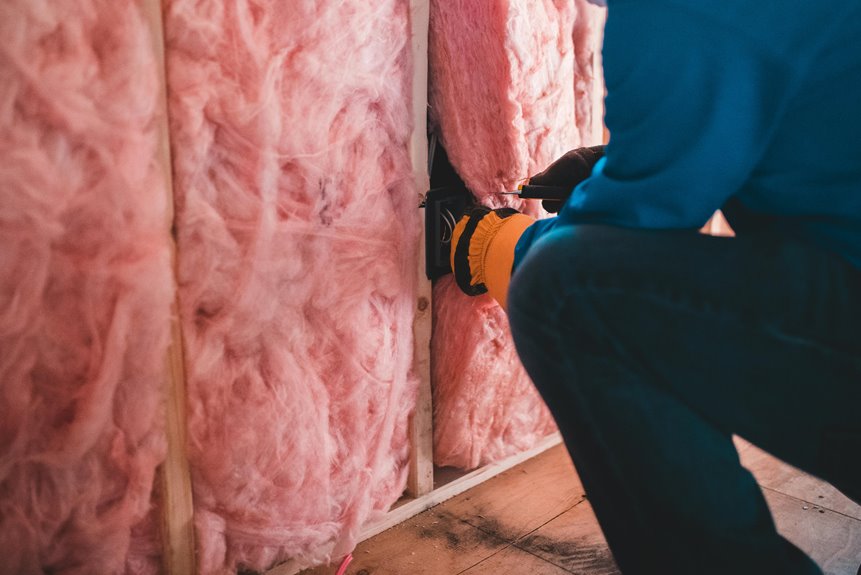
If you live in a cold climate like Vermont and have cold floors, rising heating bills, or moisture concerns, insulating your basement walls right now makes financial sense. The ground constantly pulls warmth from your home, so insulation stops that loss at the source. Start with joist cavities first—they deliver the biggest energy payoff. But here’s the thing: moisture control matters before you install anything, and your finishing plans change which approach works best. We’ve got the specific signs and strategies you need.
Why Basement Wall Insulation Reduces Your Heating Costs
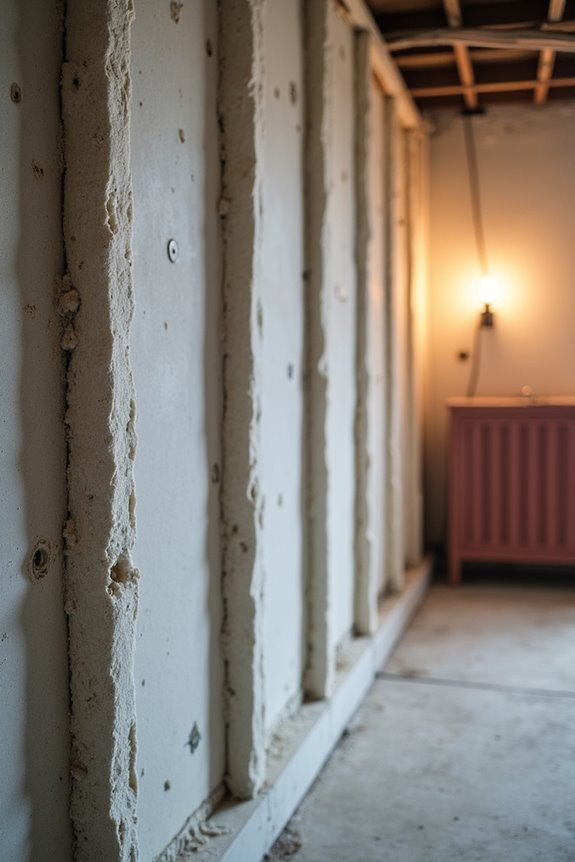
Ever wonder where all your heating dollars actually go?
Ever wonder where all your heating dollars actually go? Through your basement walls.
Through your basement walls. When you insulate basement walls, you’re stopping heat loss before it happens. That ground contact pulls warmth right out of your living space, forcing your heating system to work overtime.
Here’s what happens when you add insulation. Your exterior walls stay warmer, your home stabilizes, and your heating costs drop. In climate zones like Vermont, this makes financial sense. Better insulation means your furnace runs less frequently, using less energy overall.
You’re not just saving money—you’re among homeowners who’ve discovered this straightforward efficiency approach. Insulated basement walls reduce heating loads significantly. That translates to lower monthly bills and genuine comfort improvement throughout your whole home.
Do You Actually Need Basement Wall Insulation?
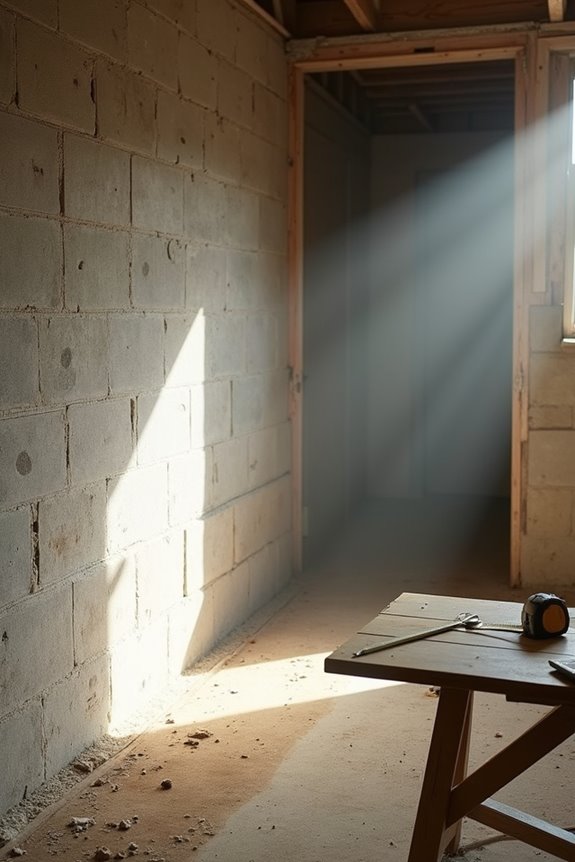
Whether you actually need basement wall insulation depends on two key factors: where you live and how you use your space. If you’re in a colder climate (zone 3 or colder), insulation becomes much more worthwhile for cutting heating costs and staying comfortable. But if your basement is just storage, unfinished space, or already has an insulated ceiling above it, you might get better results by insulating the joists instead.
Climate Zone Considerations Matter
The colder your climate, the stronger the case for insulating your basement walls—and if you live in Climate Zone 3 or colder, I’d say it’s worth serious consideration. Here’s why it matters for your home:
- Energy efficiency improves dramatically in frigid zones
- Finished basement comfort increases year-round
- Moisture barriers prevent costly damage
- Spray foam seals air leaks effectively
In colder climates, uninsulated basement walls let heat escape constantly, draining your wallet. Many homeowners have cut energy bills significantly after insulating. If you’re planning a finished basement, the investment pays dividends through reduced heating costs and better comfort. Just remember: address moisture issues first, then add your vapor barrier and spray foam. Your climate zone determines urgency—colder means sooner.
Basement Usage Determines Strategy
How you actually use your basement changes everything about whether you need to insulate those walls.
If you’ve finished your basement into a living space, you’ll want wall insulation to keep it comfortable and control moisture. But to consider—if your basement stays unfinished or partially unfinished, you might skip wall insulation altogether, as long as you handle moisture control and sealing properly.
Your insulation strategy depends on your climate zone too. In colder zones, finished basements especially benefit from wall insulation reducing heat loss. For finished spaces, you’ll also need to consider vapor barriers and interior finishing requirements your local codes demand.
Think about your actual basement usage. Is it a recreation room? Storage? Workshop? Your answer shapes whether wall insulation becomes a smart investment or an unnecessary expense for your home.
Finished vs. Unfinished: How Your Basement Plans Change Everything
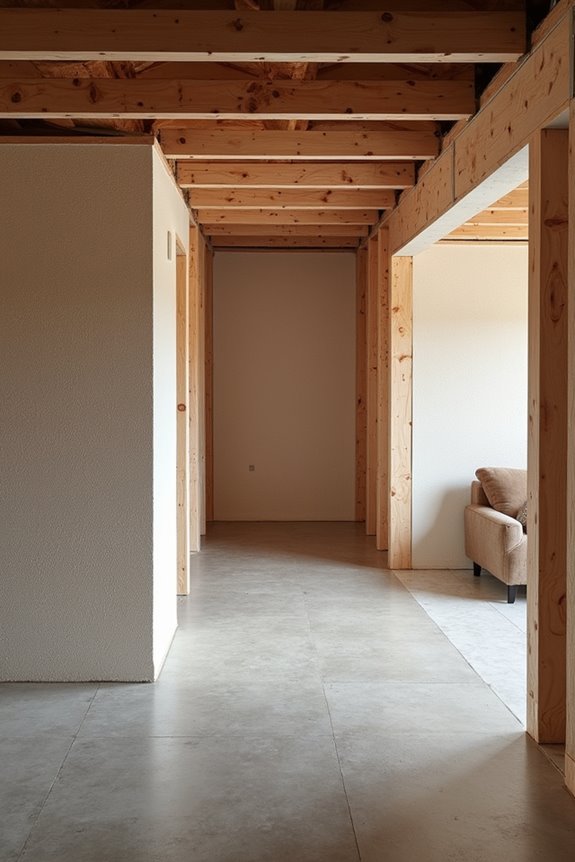
Your basement’s future is the real deciding factor here. Whether you’re finishing or leaving it unfinished changes everything about your insulation strategy.
If you’re planning to finish, these priorities matter most:
- Wall insulation is required for code compliance and energy efficiency
- Drywall coordination ensures proper thermal barrier installation and fire safety
- Moisture control protects your finished space from ground dampness
- Thermal performance improves comfort in conditioned basements
For unfinished basements, focus differently. You can insulate joist cavities and above-ground walls to stabilize temperatures without fully enclosing spaces. This approach costs less while still boosting energy efficiency.
The key? Your finishing timeline drives whether insulation happens now or later. Get clear on your plans first—they’ll guide every decision moving forward.
Wall or Ceiling Insulation: Which Should You Choose?
Once you’ve decided on your basement’s future, the next question becomes tactical: should you insulate from the walls or the ceiling?
It depends on your climate and plans. In climate zone 3 or colder, wall insulation makes a real difference. If you’re finishing your basement, you’ll need wall insulation anyway to meet code and boost energy efficiency.
Here’s the practical split: Ceiling insulation handles the heavy lifting for unfinished spaces. But if you’re adding walls, don’t skip them. For stone or mortar walls, I’d recommend closed-cell spray foam for moisture control. It manages water better than rigid foam alone.
The bottom line? Finished basements demand wall insulation plus a proper vapor barrier. Unfinished ones? Start with ceiling work first. Either way, you’re making your home more efficient.
Will Insulating Basement Walls Trap Moisture?
I won’t lie—insulation and moisture feel like they’re at odds, but here’s the thing: they’re not enemies if you plan it right. I’m going to show you how moisture barriers, proper sealing, and climate-smart drying strategies work together so insulation actually *solves* your moisture problems instead of creating them. Let’s break down what you need to know to make this work in your basement.
Moisture Barriers And Insulation
Because basements sit below ground level, they’re inherently prone to moisture problems—and yes, insulation can trap humidity if you’re not careful.
The key? You’ll need the right moisture barrier strategy. Here’s what I recommend:
- Install a vapor retarder on the warm side of your wall insulation to block humid air
- Use closed-cell spray foam on stone walls to reduce basement moisture contact
- Pair rigid foam with proper sealing to prevent air leaks
- Plan dehumidification before insulating to maintain dry conditions
Getting your moisture readiness right prevents mold and damage. Fix leaks first, dry everything thoroughly, then add insulation. Think of your vapor barrier as your basement’s protection—it stops problematic humidity from sneaking behind walls where you can’t see it.
Proper Sealing Prevents Condensation
How does insulation actually stop condensation from forming on your basement walls? It’s simpler than you’d think. When you insulate properly, you’re raising the temperature of your basement walls, so cold surfaces don’t meet warm interior air. That temperature difference? That’s what causes condensation prevention.
Here’s what works: seal leaks and address any existing moisture intrusion before adding insulation. Otherwise, you’re trapping water behind your walls. Use closed-cell spray foam or rigid foam to reduce air leakage that carries moisture inside. Then, maintain proper drainage around your foundation.
A vapor barrier might be necessary depending on your climate, but only if it’s code-compliant for your area. This combination—sealing, insulation, drainage—creates the moisture control system your basement walls need. You’re not just adding insulation; you’re creating a complete defense against moisture problems.
Climate-Specific Drying Strategies
Your basement’s climate zone matters more than you might think when you’re deciding how to insulate without trapping moisture.
I’ve learned that cold climates like Vermont require specific drying strategies. Here’s what works:
- Install a vapor barrier suited to your local codes before adding insulation
- Monitor humidity levels monthly after installation to catch problems early
- Fix all leaks and dampness before you insulate concrete walls
- Choose closed-cell spray foam for stone or mortar surfaces—it seals irregular areas better
Your moisture readiness determines success. I recommend checking humidity before and after insulation. Cold winters mean you’ll see significant energy savings, but only if vapor diffusion stays controlled. Think of moisture management as your foundation for lasting basement wall insulation.
Where to Start: Prioritize Joist Cavities Before Walls
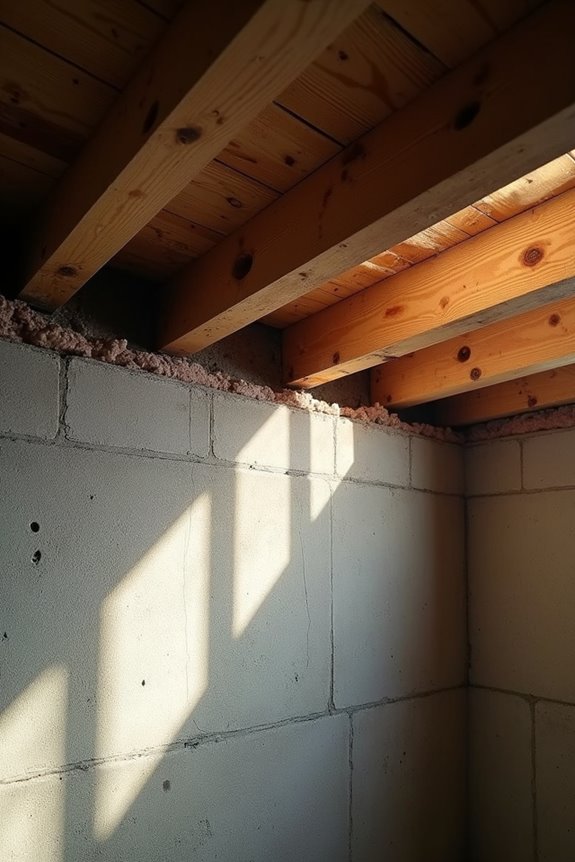
If you’re standing in your basement wondering where to start, skip the walls for now and head straight up to those joist cavities instead.
Skip the walls for now and head straight up to those joist cavities instead.
Here’s why: these cavities are where you’ll see the biggest energy payoff. Heat escapes through them faster than anywhere else down here, plus they’re easier to access without tearing into finished walls. Fill them with Roxul or spray foam, then focus on solid air sealing and moisture control.
In Vermont’s climate, this move stabilizes temperatures better than wall insulation alone. You’ll reduce thermal bridging and improve overall performance while working more efficiently.
Check your local codes for vapor barrier requirements first. This protects against moisture problems down the road. Start here, then move to walls later.
Best Methods for Insulating Concrete Basement Walls
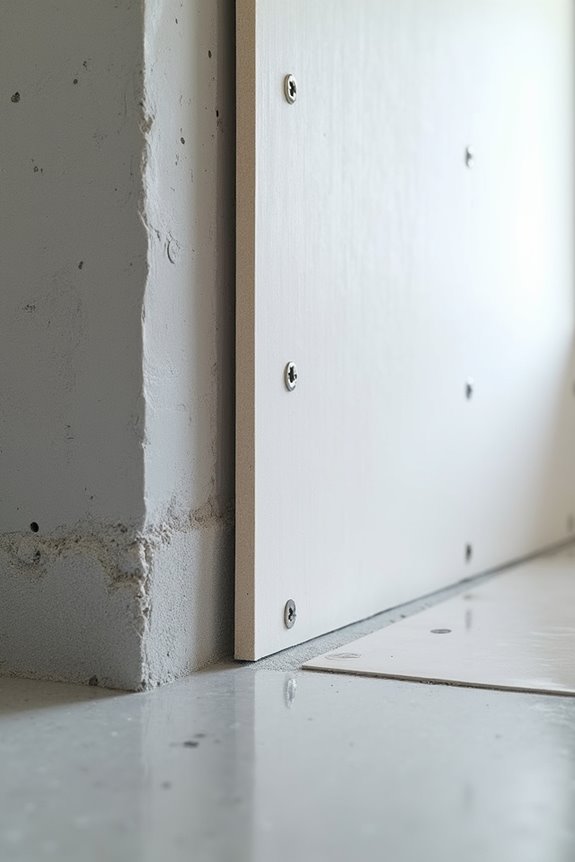
Once you’ve tackled those joist cavities, your concrete basement walls are next on the list—and they deserve attention, especially if you’re in Vermont or another cold climate.
I’ve found these methods work best for concrete walls:
- Spray polyurethane foam – ideal for stone and mortar walls, sealing gaps effectively
- Rigid foam boards – practical for most concrete surfaces, offering consistent R-value performance
- Moisture management first – inspect for dampness before installing anything; trap moisture and you’re asking for trouble
- Vapor retarders – install these barriers to prevent condensation problems down the road
Target an R-value between R-19 and R-30 for your situation. If you’re finishing the space, remember that foam boards need fire-rated drywall covering. Your concrete walls won’t change your energy bills alone, but they’ll reduce drafts and temperature swings noticeably.
Is Basement Wall Insulation Worth the Cost?
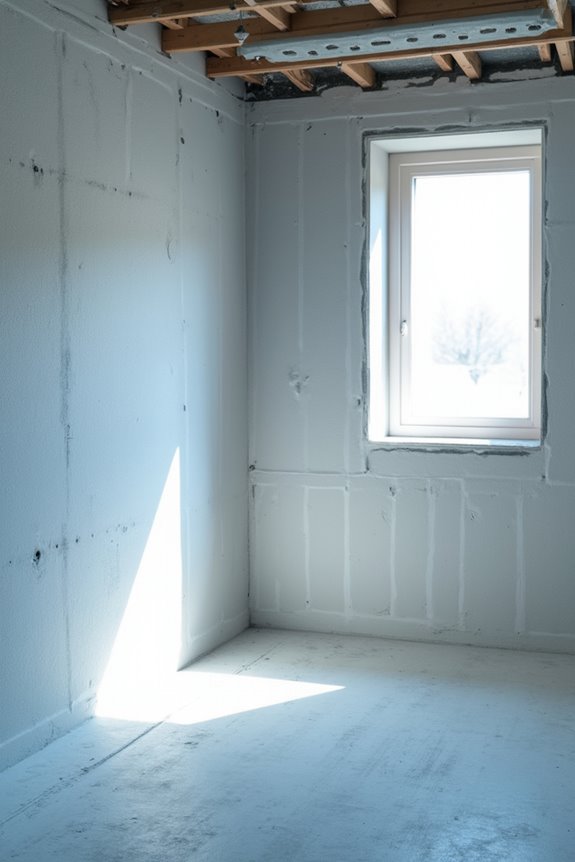
How much will basement wall insulation actually save you? It depends on your climate zone and whether you’ve got moisture problems lurking. In colder regions, interior insulation delivers real energy savings without eating much space. You’re looking at meaningful reductions in heating costs, which adds up over years.
Interior basement insulation in cold climates delivers real energy savings and meaningful heating cost reductions over time.
What matters most: address moisture control first. Trapping dampness leads to mold and costly damage, so that’s a prerequisite. Once your basement’s dry, insulation becomes worthwhile.
The baseline cost varies, but energy savings typically justify the investment, especially in climate zones 3 or colder. Fire safety and R-value considerations matter too—closed-cell spray foam handles both while protecting against moisture.
You’re joining homeowners making smart, long-term decisions about efficiency and comfort.
Signs Your Basement Walls Need Insulation Now
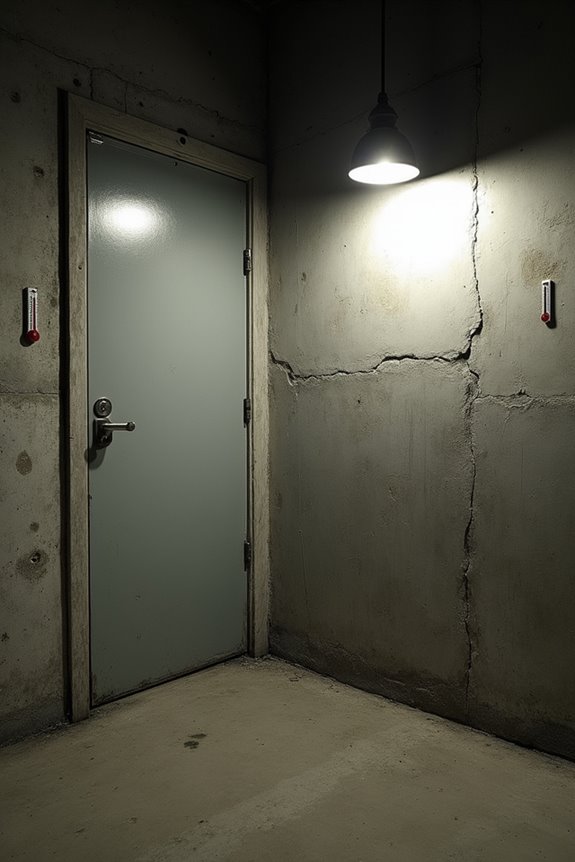
You’ve weighed the costs and benefits, and now comes the practical part: figuring out whether your basement actually needs insulation today.
Watch for these telltale signs that your basement walls need attention:
- Cold spots on floors above outer walls – These chilly patches indicate heat escaping right through your foundation.
- Higher heating bills – If energy loss is increasing, your basement walls are likely draining your wallet.
- Basement feels noticeably cooler – When your basement sits significantly colder than upstairs, insulation needs are real.
- Moisture issues or plans to finish – If you’re finishing your basement soon, you’ll need proper moisture control and exterior walls protection anyway.
These signs mean insulating now prevents bigger problems later.